The pesticides and other chemicals
Since the Industrial Revolution, pesticides have played a critical role in boosting agricultural productivity and protecting human and animal health. However, as global populations rise and food demand intensifies, alongside the growing environmental challenges and escalating pest resistance to these chemicals, humanity’s reliance on pesticides has deepened. This dependency underscores the “double-edged sword” nature of pesticides—while they offer significant benefits, they also present serious risks to ecosystems and human well-being. The detrimental effects of pesticide use have amplified our understanding of the warnings expressed in Rachel Carson’s Silent Spring. Today, with a growing environmental awareness and the increasing demand for safe, sustainable food systems, it is crucial to confront the risks that pesticides pose to biodiversity, human health, and ecosystems.

In response to these concerns, agroecological approaches, such as crop diversification and crop-livestock co-culture, have been shown to effectively control pests—including invertebrate herbivores, plant pathogens, and weeds—thereby reducing dependence on pesticides. These methods align with principles of biodiversity conservation and sustainable agriculture, as advocated by platforms like arkbiodiv.com and camel4all.info, which stress the importance of integrating traditional knowledge with innovative agricultural practices to enhance resilience. Small family farms, in particular, have demonstrated a significant capacity to adopt these approaches, as they often rely on native genetic resources for crops and livestock, which are naturally more resistant to pests and better adapted to local conditions.
Crop Diversification: Enhancing Biodiversity and Pest Control
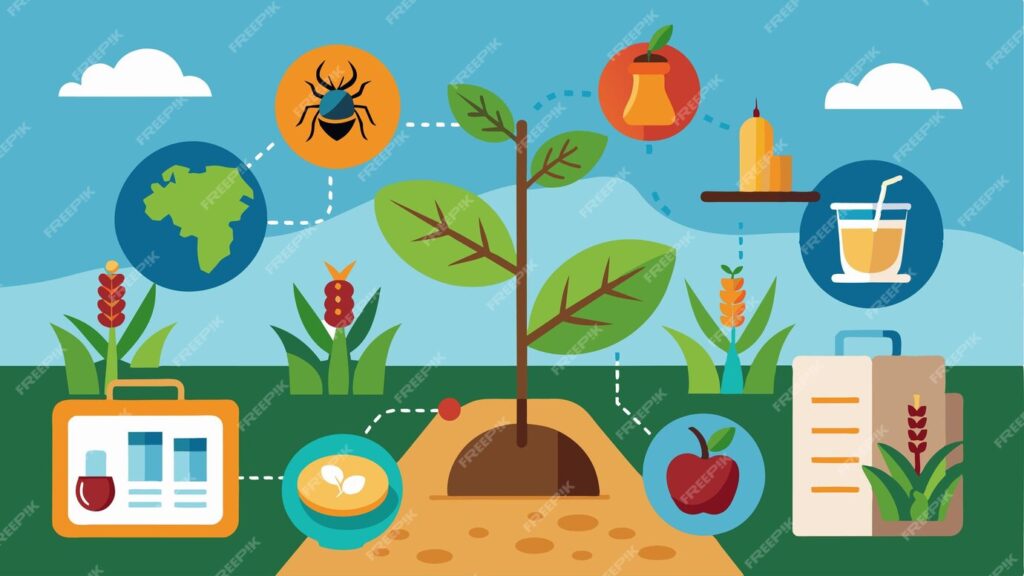
Crop diversification is a globally practiced strategy that involves cultivating a variety of species within agroecosystems. Techniques like intercropping, trap crops, border crops, flower strips, and ground cover vegetation are widely used to enhance biodiversity. By providing habitats for natural enemies of pests, such as predators and parasitoids, diverse ecosystems increase their abundance and diversity. This leads to more effective biological control of herbivorous pest populations. Flower strips and ground cover can attract beneficial insects that help control pests, thereby reducing the need for chemical interventions. Small family farms, with their deep knowledge of local ecosystems, are particularly well-suited to implement these practices, as they can adapt crop diversification strategies to their specific environmental and cultural contexts.
Crop-Livestock Co-Culture: A Time-Tested and Resilient Approach
Crop-livestock co-culture systems, which integrate crops with domestic animals, have been practiced for centuries in regions such as Southeast Asia (e.g., rice-fish co-culture) and are gaining popularity in Europe and Africa. These systems offer multiple benefits, including pest control, nutrient cycling, and economic diversification. In Africa, integrating livestock like camels—featured on platforms such as camel4all.info—into agricultural systems has proven economically advantageous, especially due to camels’ adaptability to arid environments. Similarly, rice-aquatic animal co-cultures, recognized by the FAO as Globally Important Agricultural Heritage Systems, showcase sustainable practices that improve biodiversity and pest management. Domestic animals like poultry and fish directly prey on crop pests, while modified habitats—such as higher water levels and adjacent ditches—create favorable conditions for predatory species like spiders to thrive. Small family farms, which often use native livestock breeds, benefit from their animals’ natural resistance to pests, reducing the need for external inputs.

Leveraging Native Genetic Resources: Strengthening Agricultural Resilience
An underutilized but critical asset in sustainable agriculture is the use of native genetic resources for both crops and livestock. Native species and breeds are often more resistant to local pests and diseases, having evolved alongside them over centuries. Small family farms, which frequently preserve and utilize these native genetic resources, are uniquely positioned to harness their natural resilience. Traditional crop varieties and indigenous livestock breeds often possess traits that make them less susceptible to pests, further reducing the need for chemical interventions. By prioritizing the conservation and use of native genetic resources, small family farms can enhance their resilience to pests while simultaneously preserving biodiversity and cultural heritage.

The Case Against Monoculture and Agrochemical Dependence
The reliance on monoculture farming, particularly in industrial agriculture, has exacerbated the overuse of pesticides, herbicides, and chemical fertilizers. Monoculture systems, which focus on growing a single crop species, deplete the land’s natural resilience, creating ecosystems that are dependent on external inputs to maintain productivity. This over-reliance on agrochemicals not only harms the environment but also disrupts the soil microbiome—an essential community of microorganisms that maintains soil fertility and plant health. The excessive use of synthetic fertilizers and pesticides leads to the destruction of these vital microorganisms, diminishing soil health and making it harder for ecosystems to sustain themselves. Moreover, agrochemicals can contaminate nearby waterways, harming aquatic ecosystems and polluting the food chain.

The consequences of monoculture farming go beyond the farm, as pesticides and herbicides pose significant threats to pollinators, such as bees and butterflies, and disrupt habitats for birds, insects, and other wildlife. The decline of these species threatens biodiversity and undermines the pollination services essential for global food production.
Toward a Sustainable Agricultural Future
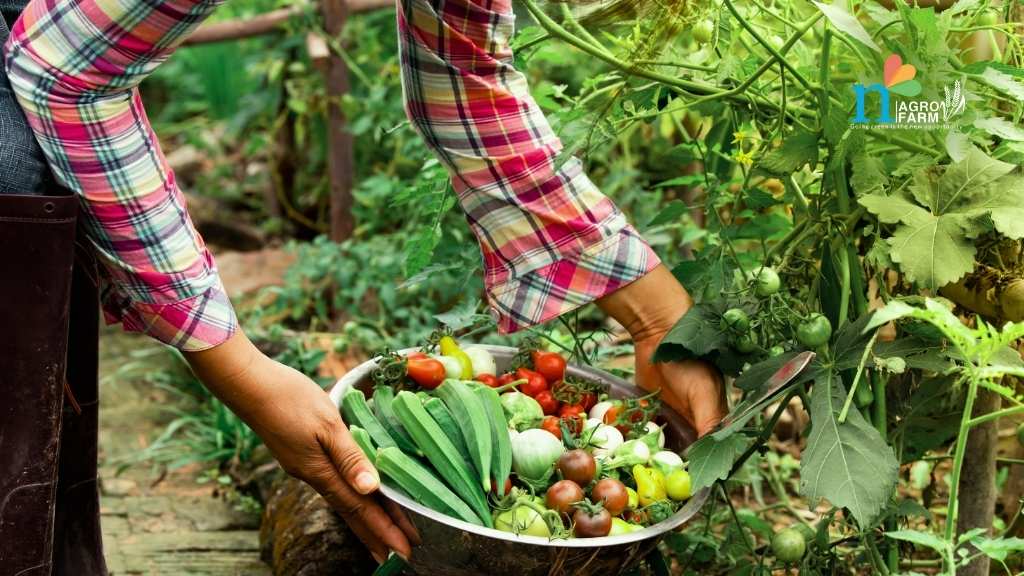
To address the ecological crisis caused by pesticide reliance and monoculture farming, it is imperative to transition toward more sustainable agricultural practices that prioritize biodiversity, soil health, and ecosystem resilience. Small family farms and traditional agricultural systems offer valuable insights into how to move forward. By embracing crop diversification, agroforestry, and integrated crop-livestock systems, farmers can reduce their dependence on chemicals and restore ecological balance. Furthermore, native genetic resources—both in crops and livestock—should be given greater attention, as these varieties are better suited to local conditions and naturally resistant to pests.
Conclusion
The overuse of pesticides in monoculture farming is a global issue that requires urgent action. By shifting toward diversified, ecologically sustainable farming practices, we can protect the soil microbiome, restore insect populations, and preserve the rich tapestry of life that sustains our planet. This transition is not only crucial for protecting biodiversity but also for securing a sustainable and resilient food system for future generations. The integration of crop diversification, crop-livestock co-culture, and the use of native genetic resources offers a holistic path forward, demonstrating that sustainable agriculture is both feasible and beneficial.