1. Overview
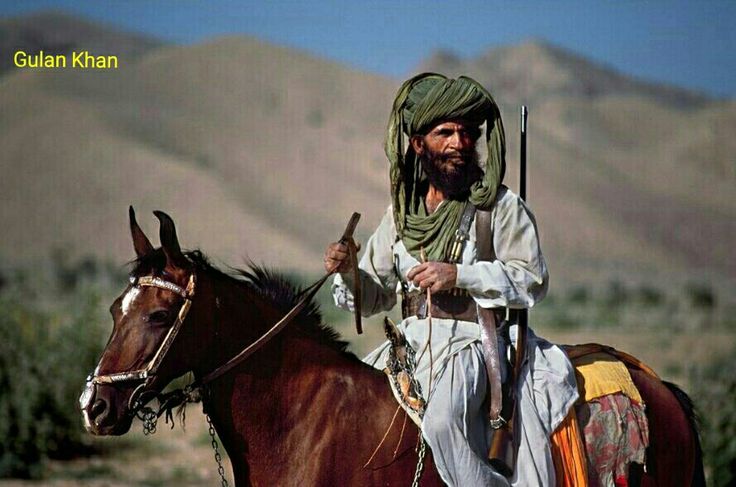
The Balochi horse is more than just an animal—it is a living emblem of Balochistan’s rich cultural heritage and centuries-old pastoral traditions. Indigenous to Pakistan’s Baluchistan, Sindh, and Punjab provinces (and found in adjacent regions of Iran), the breed has been an indispensable companion for riding, light draft work, and even traditional sports like tent pegging in harsh, arid, and mountainous landscapes.
2. Habitat and Adaptation
Surviving in Extreme Environments
The Balochi horse has evolved under some of the most challenging environmental conditions. Its natural habitat comprises rugged deserts, sparse vegetation, and extreme temperature fluctuations. These conditions have endowed the breed with exceptional endurance, strength, and adaptability. Local pastoralists have refined its traits over generations through selective breeding—emphasizing stamina, load-bearing capacity, and the ability to traverse treacherous terrain. This evolution is well documented in studies on indigenous livestock in the region, which highlight how environmental stressors shape adaptive traits in local breeds pastoralpeoples.org.
3. Social and Cultural Importance
A Pillar of Community Identity
For the nomadic and rural communities of Balochistan, the Balochi horse is a cornerstone of both economic livelihood and cultural identity. These horses are celebrated not only as work animals but as symbols of heritage and pride. They feature prominently in local folklore, art, and festivals, and their image reinforces community bonds and historical continuity. Peace in the region plays a critical role in conservation efforts, as stable and harmonious conditions allow communities to invest in cultural events such as equestrian competitions, racing contests, and traditional fairs. Such events—celebrated by the young and old alike—not only stimulate the local economy but also provide a platform for preserving and showcasing the breed’s legacyquettavoice.com.
4. Genetic Heritage and Conservation Status
Deep Roots and Diverse Lineage
Genetic studies reveal that the Balochi horse is deeply rooted in ancient equine populations of Central Asia, the Middle East, and North Africa. Its genetic diversity is vital for survival in the extreme climates of its habitat, enabling adaptation to drought, scarce water, and poor forage conditions. Despite modern challenges like genetic dilution from crossbreeding, ongoing research and conservation efforts are aimed at preserving pure bloodlines and ensuring sustainable management practices dry-net.org.
5. Community-Based Management and the Role of Peace
Integrating Tradition with Modern Conservation
Sustainable conservation of the Balochi horse depends on a collaborative approach that marries traditional pastoral knowledge with modern genetic and veterinary techniques. Community-based initiatives—where local breeders lead controlled breeding programs and maintain detailed breed registries—are essential. Equally important is the establishment of policies and conservation programs that respect local customs and emphasize peaceful coexistence. In a peaceful environment, communities can host eco-friendly tourism, heritage fairs, and equestrian competitions (such as racing and riding contests), which generate income and reinforce cultural pride.
Peace is not only a facilitator of social and cultural events but also a prerequisite for the long-term conservation of the breed. Stable, conflict-free conditions ensure that conservation projects can be implemented effectively, allowing the breed to thrive and contribute to both the local economy and the preservation of Balochi heritagequettavoice.com.
6. A Vision for the Future
Riding into Tomorrow with Peace and Prosperity
The future of the Balochi horse is intrinsically linked to both traditional practices and modern innovation. As the younger generation in Balochistan increasingly embraces horse riding and equestrian sports, the breed is carving out a promising niche in the recreational and sports industries. By harnessing eco-friendly tourism and heritage events in peaceful settings, stakeholders are ensuring that the Balochi horse remains not only a symbol of the past but also a dynamic contributor to the future. These peace-driven, community-led conservation and economic strategies offer a hopeful vision where the Balochi horse endures and flourishes, carrying forward the rich legacy of Balochistan into a modern era.
References
- Assessing the Potential of Indigenous Livestock Breeds of Balochistan. Dry-Net. Retrieved from dry-net.org dry-net.org
- Indigenous Livestock Bio-Cultural Biodiversity of Balochistan Province of Pakistan. ARK Biodiversity. Retrieved from arkbiodiv.com pastoralpeoples.org
- Suleiman Mountain Inhabits Rare Species. Quetta Voice. Retrieved from quettavoice.com
Dear sir,
Your efforts regarding the camel 🐪 are very commendable. We gain a lot of knowledge from your website, speeches, webinars, and research.
Ms.soffya
Thanks for your appreciation.